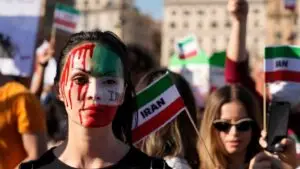
The Iran regime remains unhinged
The Iranian case is a story where external normative rhetoric and hybrid pressure mechanisms fail to produce regime change due to regime resilience, elite cohesion, and strategic cost constraints.


The Iranian case is a story where external normative rhetoric and hybrid pressure mechanisms fail to produce regime change due to regime resilience, elite cohesion, and strategic cost constraints.
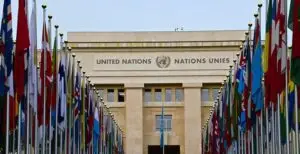
In the Arthashastra, written by Kautilya in the 4th century BCE, the concept of Matsya Nyaya warns that in the absence of just governance, anarchy prevails, morality collapses, and power supplants justice. Today’s international system increasingly reflects this condition, where might, rather than law, determines outcomes.

A world war involves direct, sustained conflict between multiple great powers, with full societal and economic mobilization. In contrast, a transition toward multipolarity is characterized by dispersed power, regional influence, and indirect competition through diplomacy, economic measures, and proxy engagements, with risks arising from miscalculation rather than open warfare.
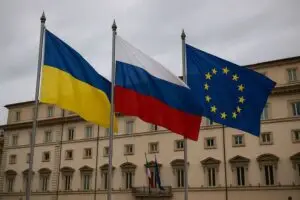
Europe is making a decisive shift from normative idealism to strategic realism, as discourses on strategic autonomy and European security dynamics move toward rearmament and self-reliance.
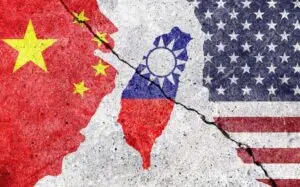
India is emerging as a platform for semiconductor ecosystem as a result of supply chain diversification in the wake of potential Taiwan blockade.