


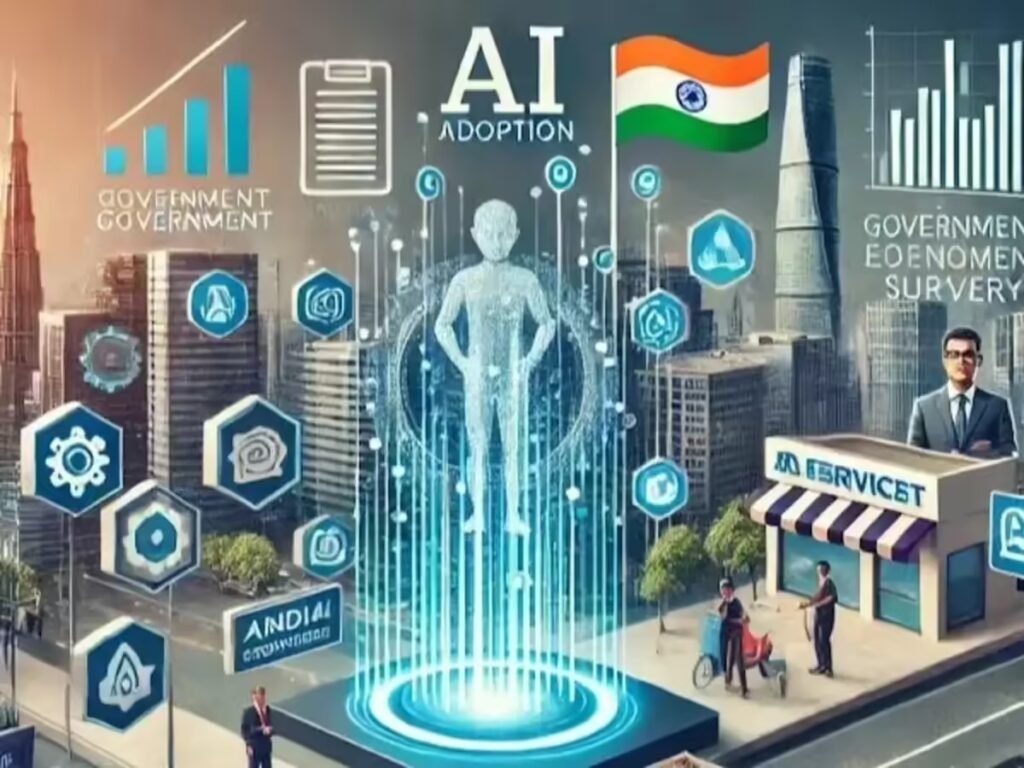
India’s AI Leap:- Claiming its share in the global tech future
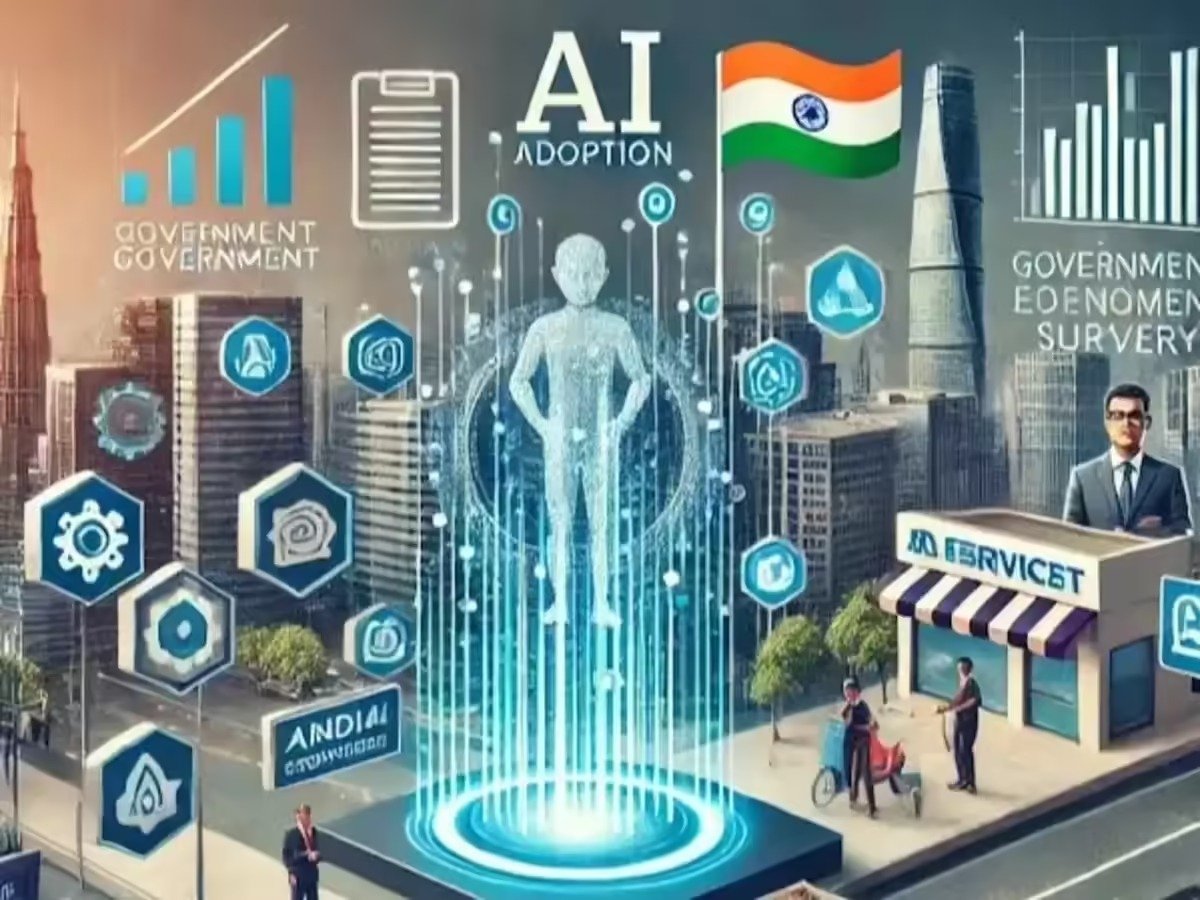
India’s AI leap marks a decisive shift from digital adoption to technological leadership, as it builds its own models, data systems, and large-scale compute infrastructure under the India-AI Mission. This transition reflects not just economic ambition, but a strategic move toward technological sovereignty and inclusive growth.
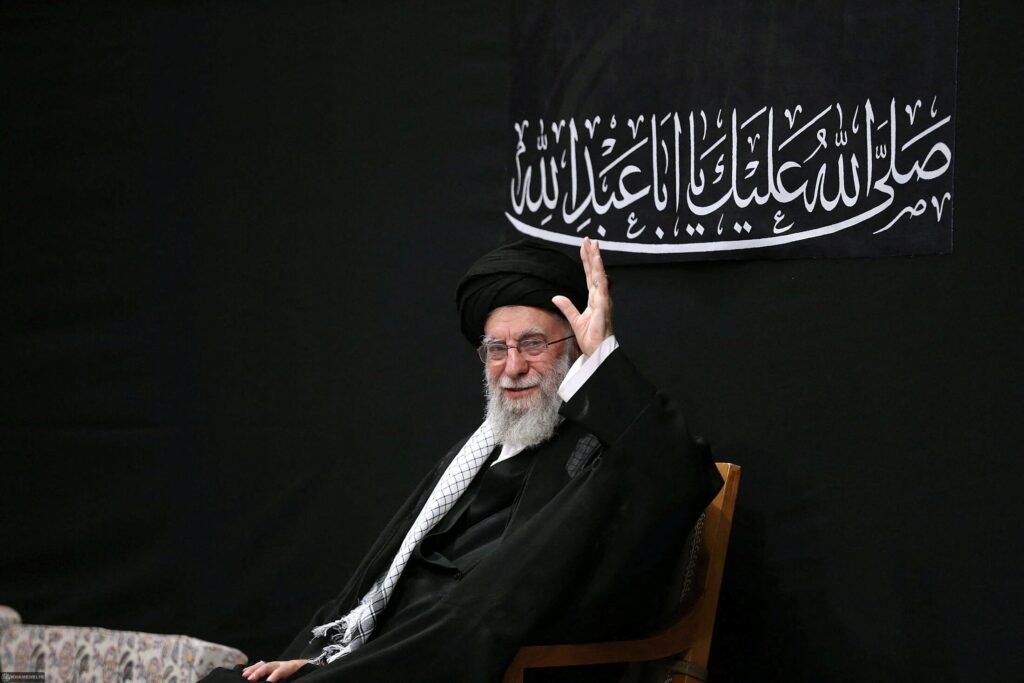
Converging U.S. and Israeli Interests in the Middle East: How Iran Shapes the Game
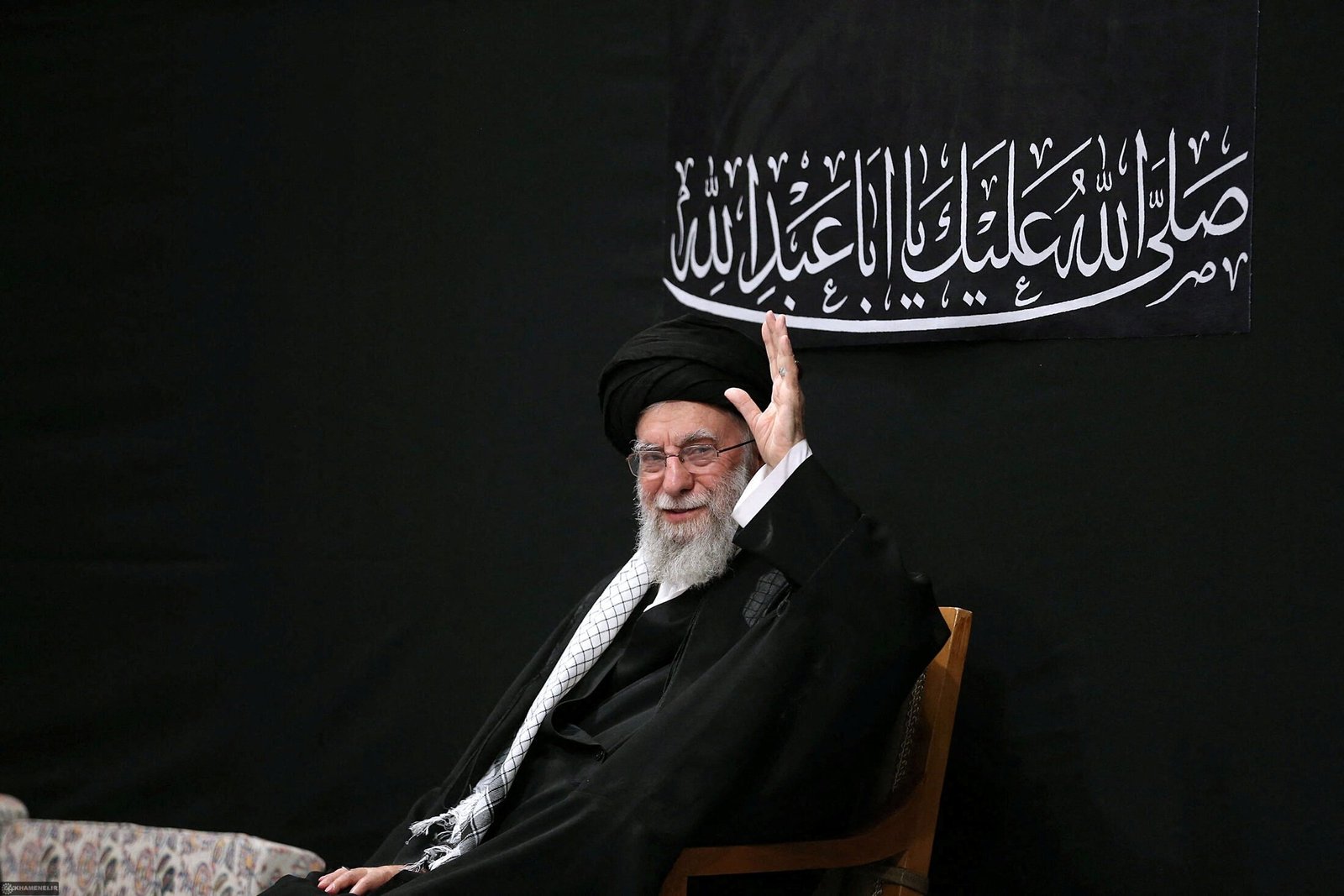
Iran, Israel, and the United States are locked in a high stakes contest that will shape the balance of power in the Middle East. Iran’s nuclear trajectory and regional network of influence directly challenge Israeli security doctrine and American strategic interests.
Washington’s burden sharing approach increasingly relies on allied capacity, while China and Russia monitor developments with calibrated caution.
Absence of direct great power military intervention, the conflict remains a controlled struggle for regional dominance rather than a precursor to global war.
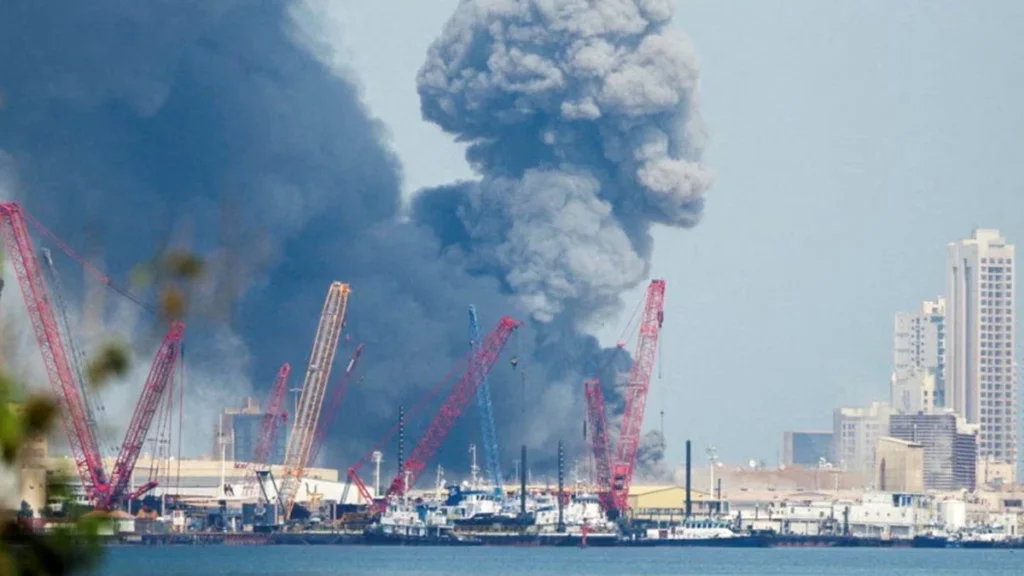
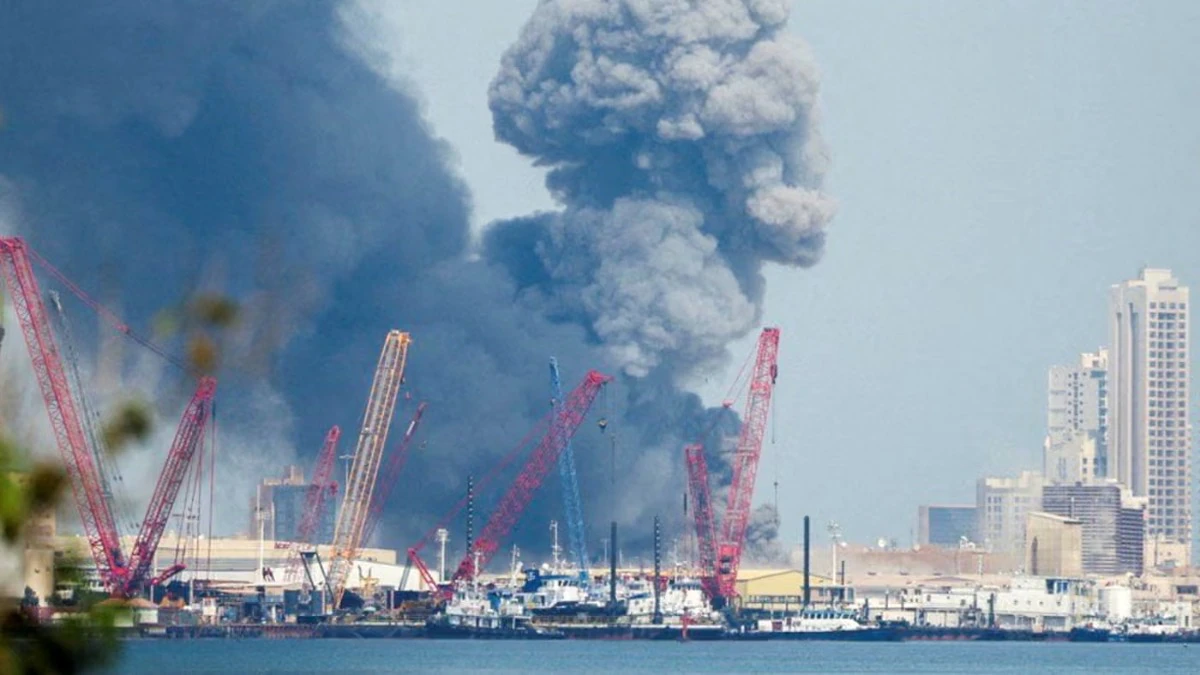
Gulf oil burns more: A short study on operational realities of the war in Middle-East
The powder keg of Asia is on fire. As the world watches the regional powers into an increasingly bloody brawl, where both sides take losses, a stark departure from India’s Operation Sindoor or USA’s Operation Absolute Resolve. We take a dive into how is Iran different, what are the military realities, what are the basic factors guiding operations and how the situation might evolve over the next few weeks and months.
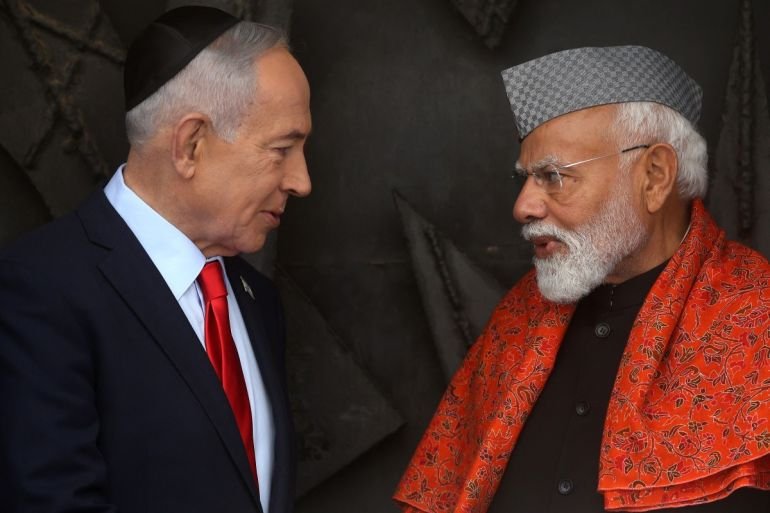
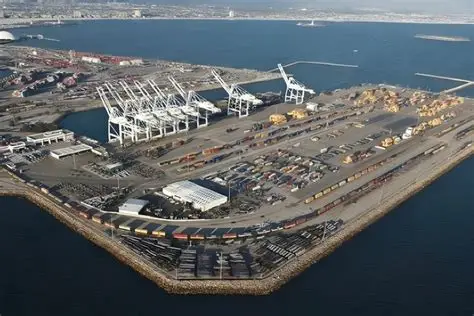
Civilizational destinies built on geography and the geopolitics of strategic trade routes
Geography is destiny, but technology determines who controls destiny.
Trade routes remain anchored in ancient choke points, but modern states use diplomacy, multilateralism, and corridor politics to secure influence. India’s foreign policy reflects a strategic adaptation to permanent geography in a technologically fluid world.
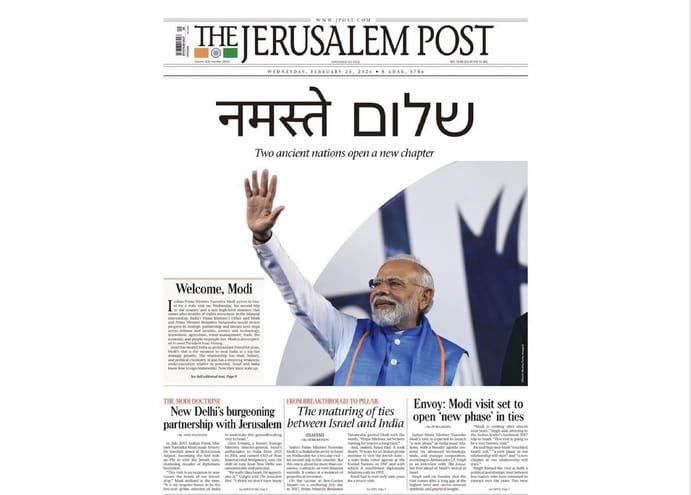
A concise brief on Prime Minister Narendra Modi’s address to the Knesset, Israel 2026
Prime Minister Narendra Modi, addressing the Knesset in 2026, reaffirmed India’s uncompromising stance of zero tolerance against terrorism, equating the 26/11 Mumbai attacks with the October 7 attacks in Israel. He emphasized that terrorism cannot be justified in any form and called for unified global action. Highlighting centuries-old civilizational ties, he noted the deep historical and cultural bonds between India and Israel. He praised Israel’s leadership in innovation, agriculture, and technology, and underscored expanding strategic cooperation. He concluded by describing the partnership as mutually beneficial, rooted in shared values, democratic principles, and a common vision for peace and stability.