


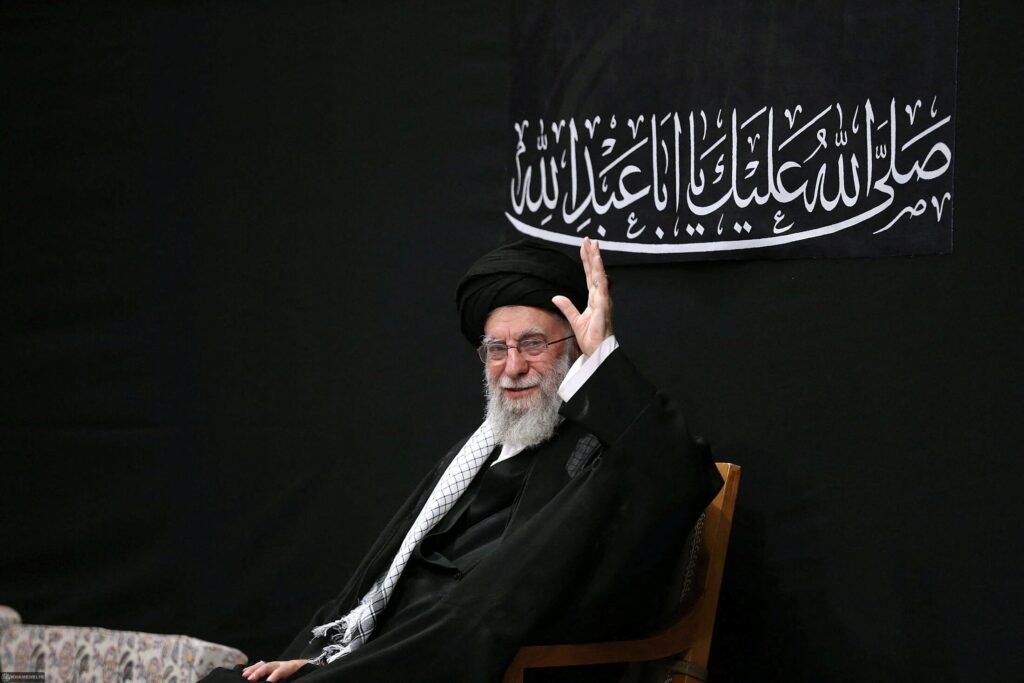
Converging U.S. and Israeli Interests in the Middle East: How Iran Shapes the Game
Iran, Israel, and the United States are locked in a high stakes contest that will shape the balance of power in the Middle East. Iran’s nuclear trajectory and regional network of influence directly challenge Israeli security doctrine and American strategic interests.
Washington’s burden sharing approach increasingly relies on allied capacity, while China and Russia monitor developments with calibrated caution.
Absence of direct great power military intervention, the conflict remains a controlled struggle for regional dominance rather than a precursor to global war.
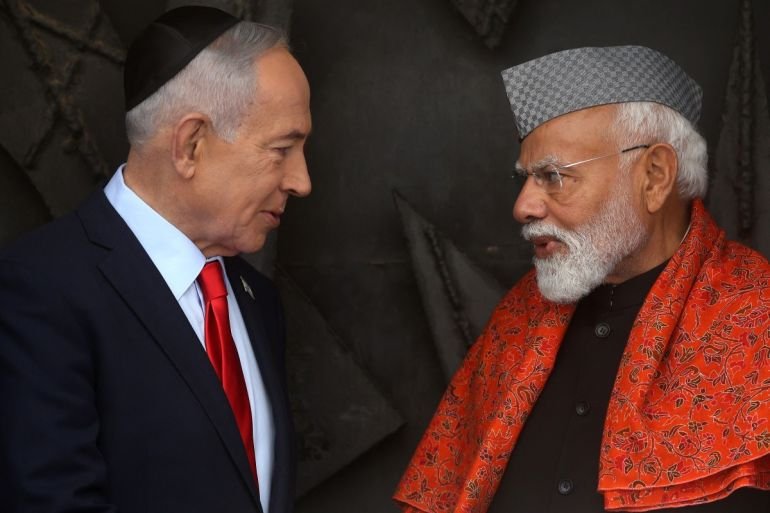
Civilizational destinies built on geography and the geopolitics of strategic trade routes
Geography is destiny, but technology determines who controls destiny.
Trade routes remain anchored in ancient choke points, but modern states use diplomacy, multilateralism, and corridor politics to secure influence. India’s foreign policy reflects a strategic adaptation to permanent geography in a technologically fluid world.

Mahashivaratri: astronomical timing, seasonal transition and symbolic encoding in Hindu thought
Mahashivratri is celebrated during the final waning phase of the Moon, immediately preceding solar-lunar conjunction (New Moon). This phase corresponds to minimal lunar illumination and reflects systematic monitoring of the synodic month within the Hindu calendrical framework. The festival celebrated in late winter aligns lunar phase calculation with seasonal transition in the Indian subcontinent.
The observance therefore demonstrates co-ordinated tracking of lunar elongation, solar position and environmental cycles.
Mahashivaratri thus exemplifies the integration of astronomical measurement and ritual timekeeping through celebrations and community gatherings.
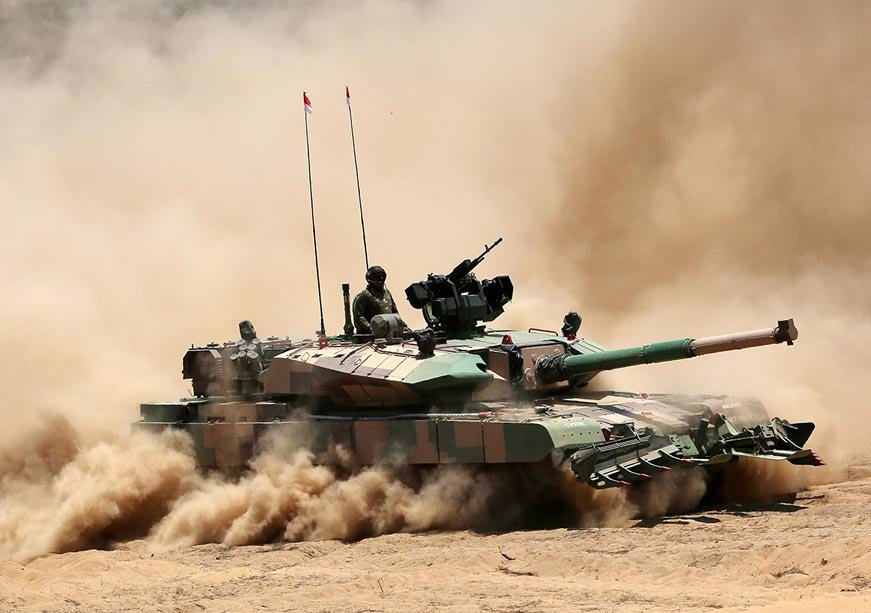
Rolling Thunder part 1: Basics of Tank warfare in Indian context
Everyone knows Tanks, but what do these metal giants do besides being big chunks of metal with big guns? Why are they relevant?
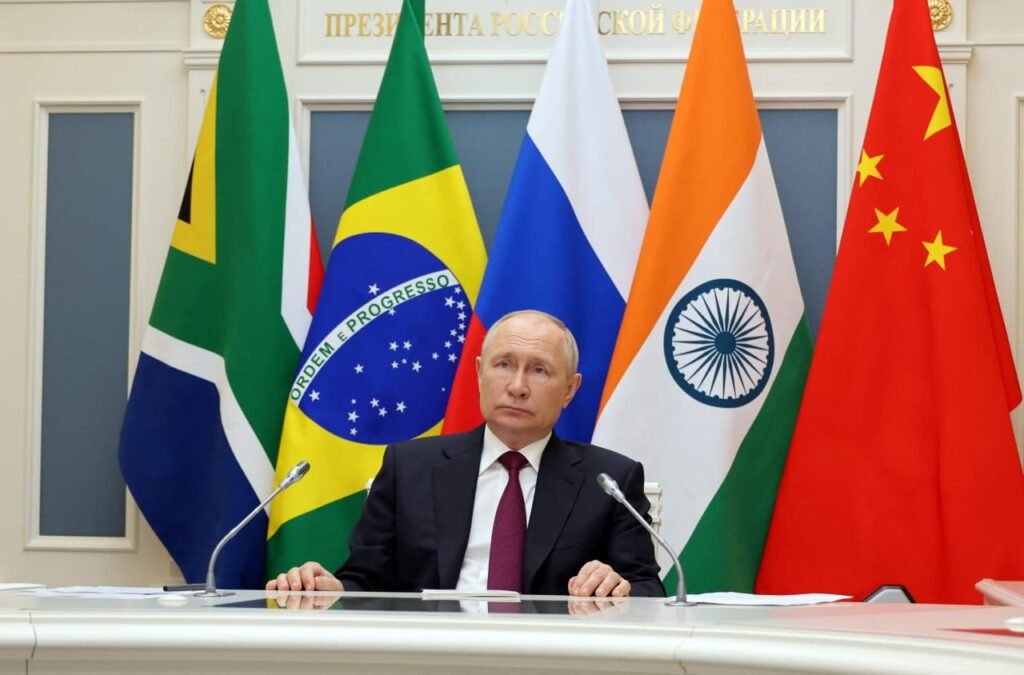
Envisioning BRICS Nations fintech integration
As global financial fragmentation accelerates, BRICS is increasingly positioned to move from political co-ordination toward systemic economic architecture. Anticipating a BRICS fintech framework is therefore not an exercise in speculation but in strategic foresight. The convergence of digital public infrastructure state backed payment systems and growing demand for monetary autonomy creates conditions for a parallel financial ecosystem to emerge. While not designed to replace existing global systems such an architecture would expand strategic choice reduce external vulnerability and reshape how emerging economies transact govern and project economic power.