

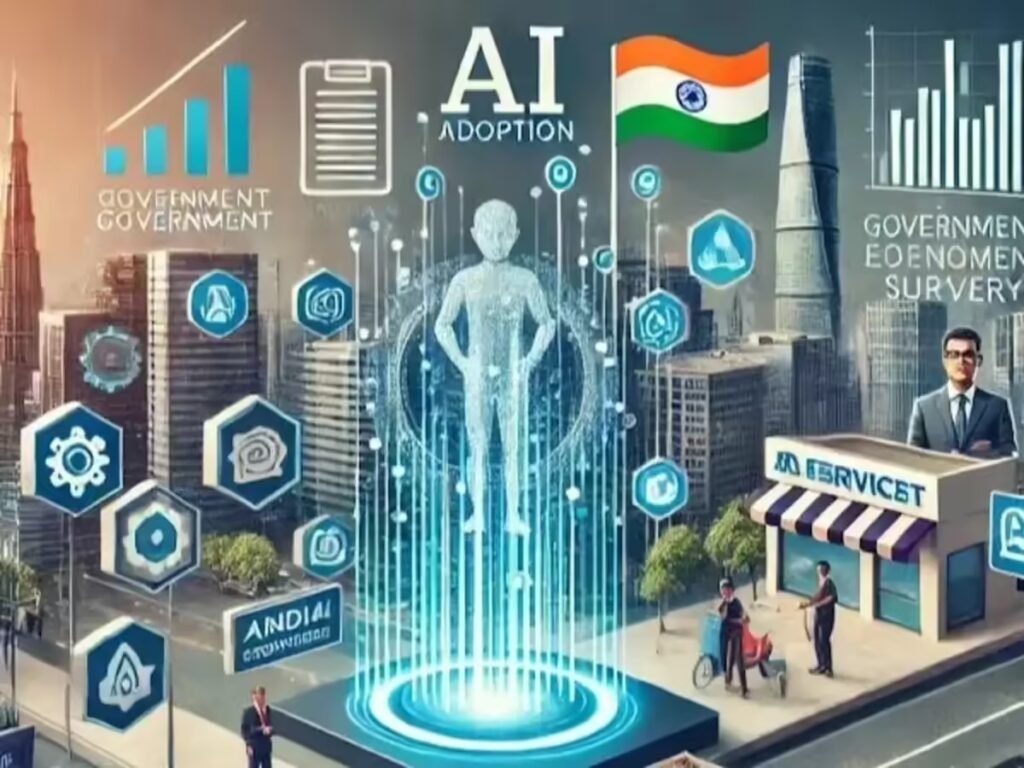
India’s AI Leap:- Claiming its share in the global tech future
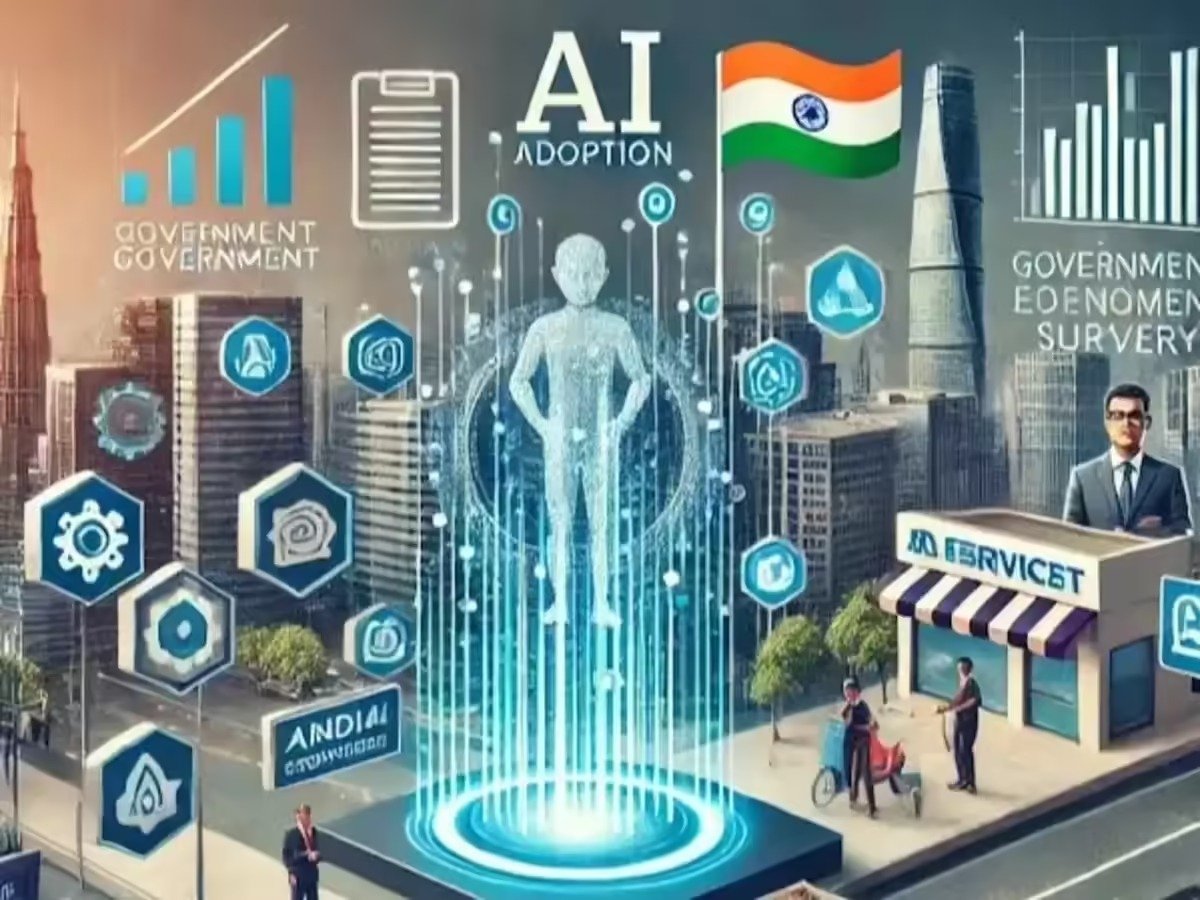
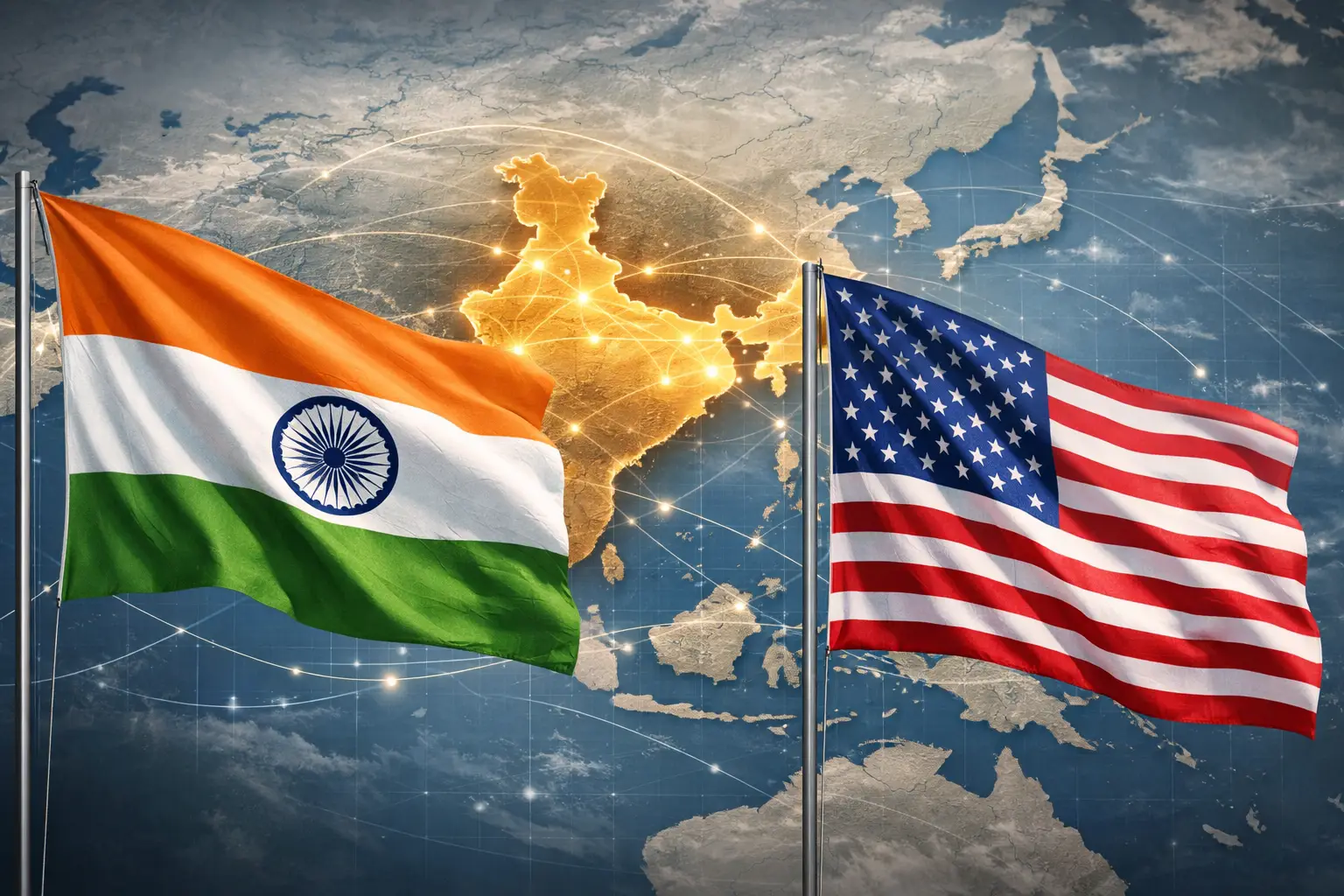
India’s AI leap marks a decisive shift from digital adoption to technological leadership, as it builds its own models, data systems, and large-scale compute infrastructure under the India-AI Mission. This transition reflects not just economic ambition, but a strategic move toward technological sovereignty and inclusive growth.
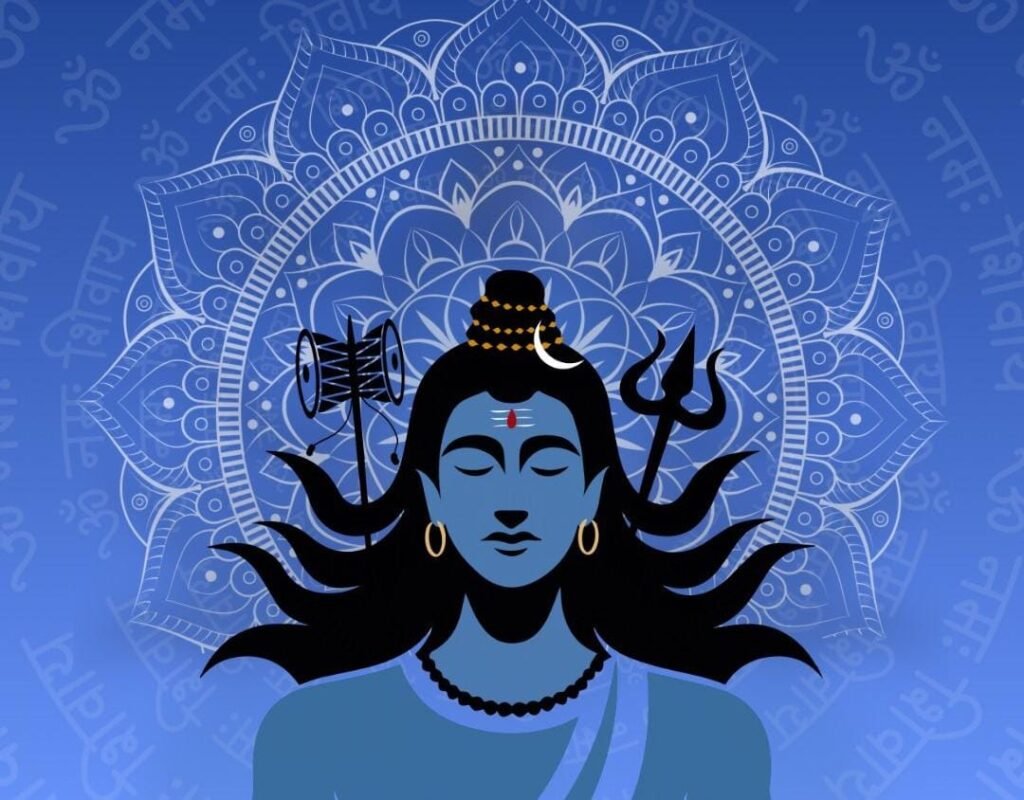
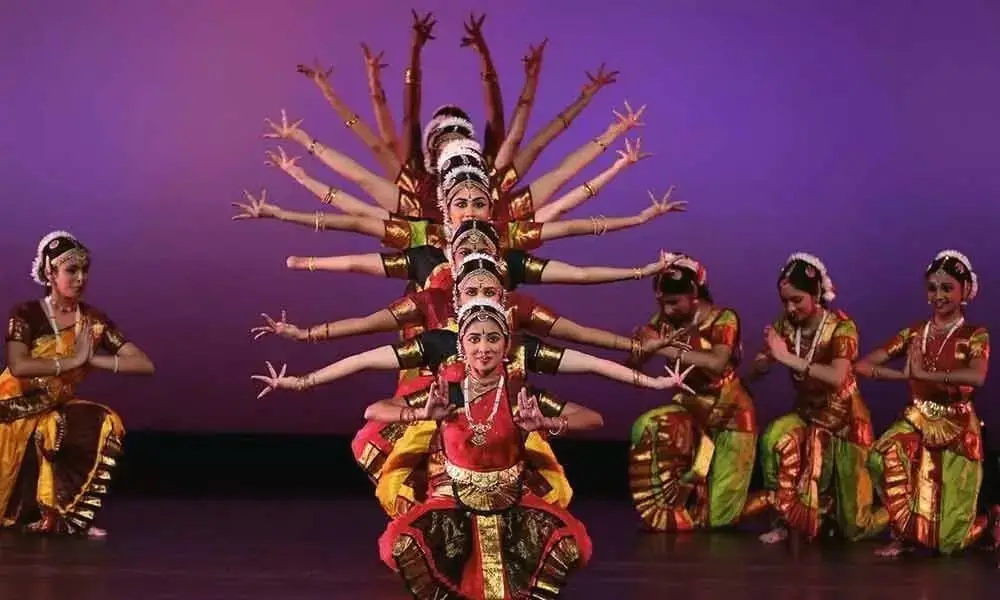
Mahashivaratri: astronomical timing, seasonal transition and symbolic encoding in Hindu thought
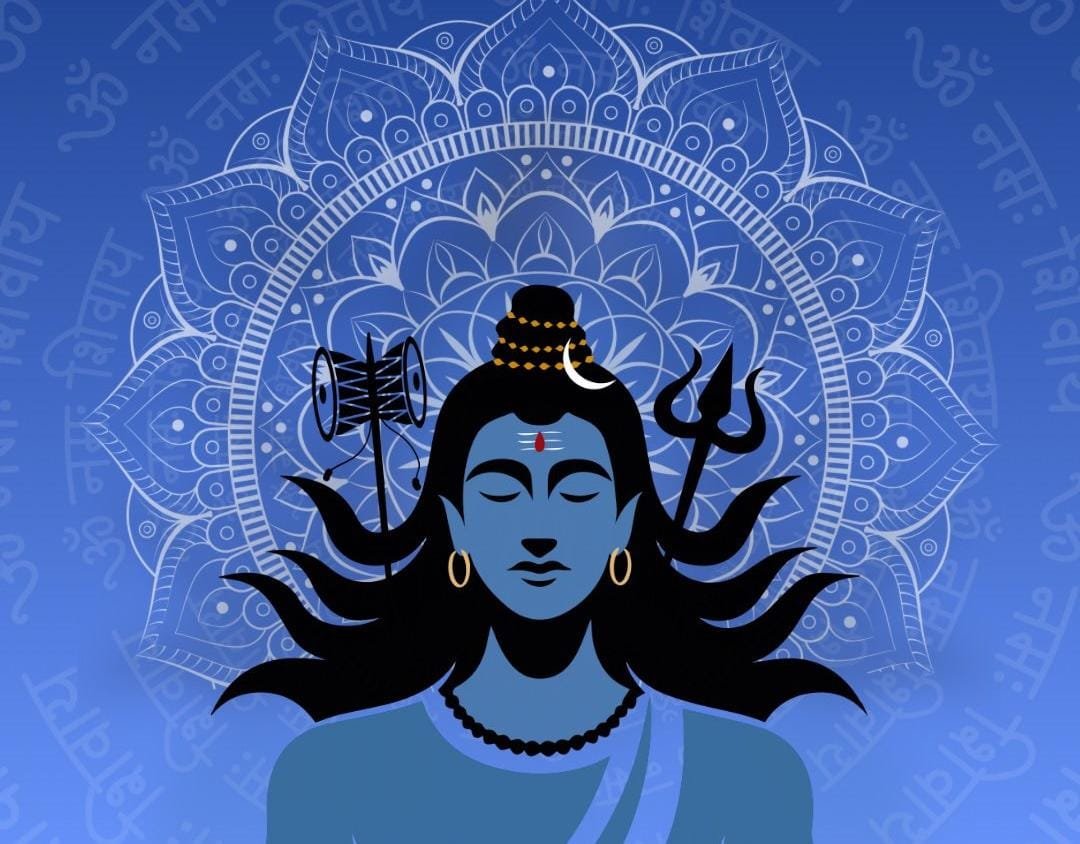
Mahashivratri is celebrated during the final waning phase of the Moon, immediately preceding solar-lunar conjunction (New Moon). This phase corresponds to minimal lunar illumination and reflects systematic monitoring of the synodic month within the Hindu calendrical framework. The festival celebrated in late winter aligns lunar phase calculation with seasonal transition in the Indian subcontinent.
The observance therefore demonstrates co-ordinated tracking of lunar elongation, solar position and environmental cycles.
Mahashivaratri thus exemplifies the integration of astronomical measurement and ritual timekeeping through celebrations and community gatherings.
India’s echo and the rise of the western conscience
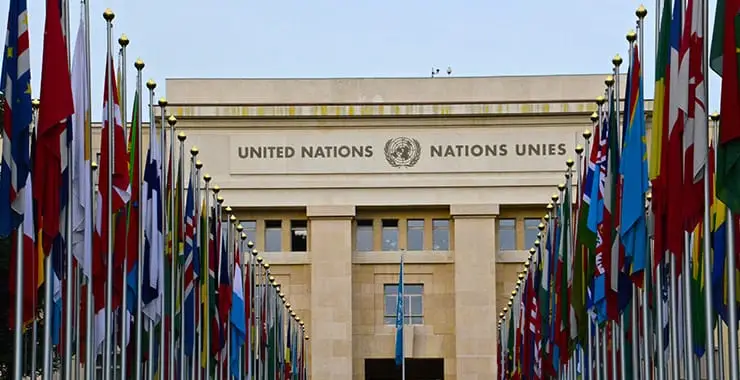
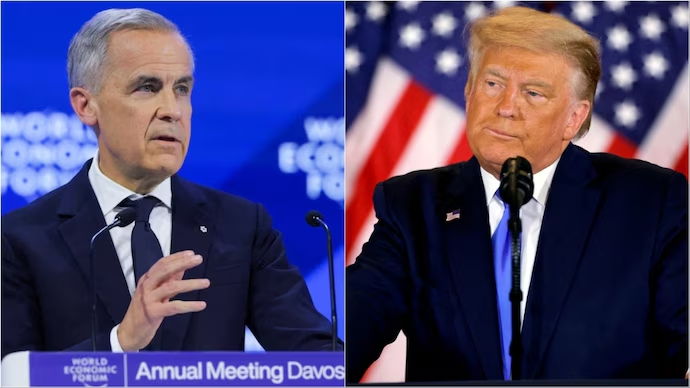
As Washington exercises its hard power to its ungraceful best, Canada and EU have stopped pulling their punches in global forums. Is it finally time for the claimed principles of the West to finally be reflected in their practice?
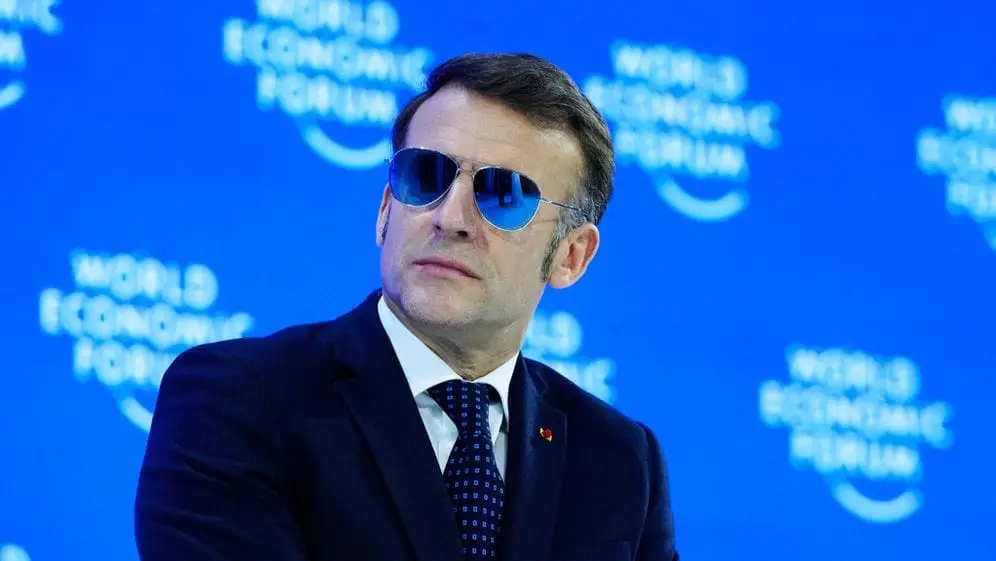
What happens in Davos never stays in Davos, it shapes the New World Order
As the global energy and industrial base shifts, so too does the geography of power. Asia’s rise is driven less by ideology than by human capital, scale, logistics, and manufacturability.
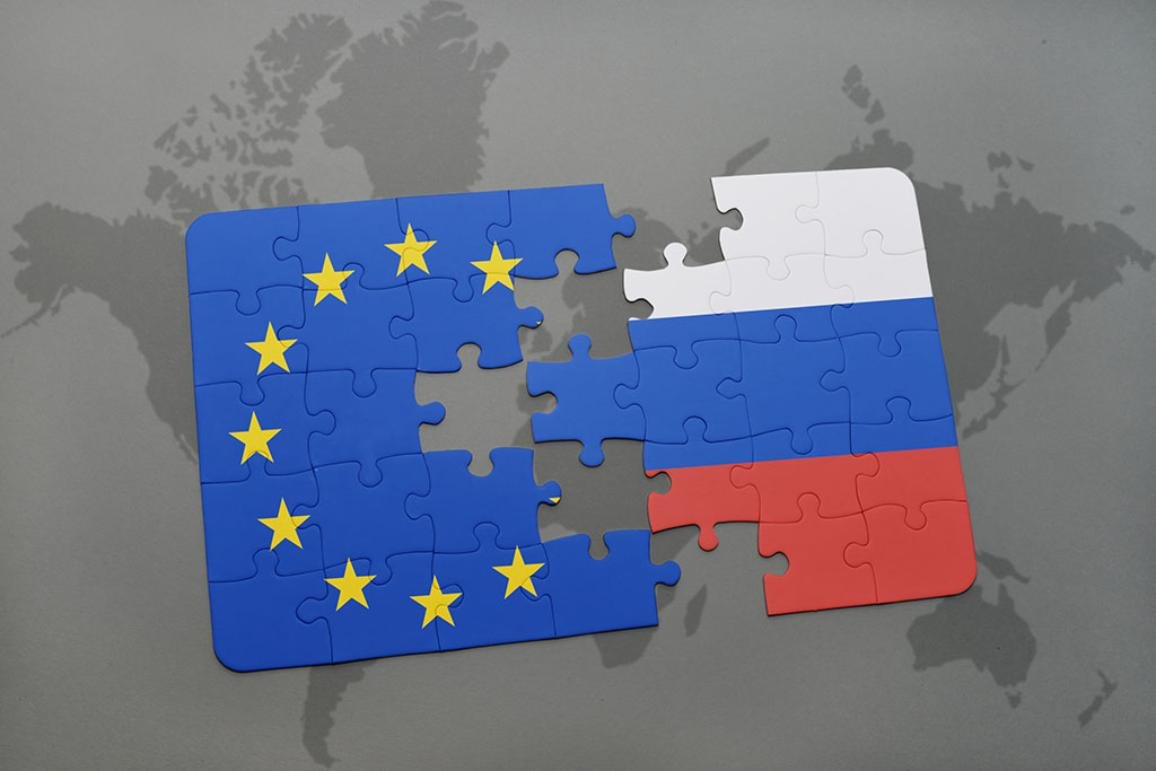
Europe is repositioning itself as a partner in that growth rather than a bystander to it. The emerging world order is not hegemonic but unmistakably multipolar.
The American political culture : deep state, divisions, and democracy
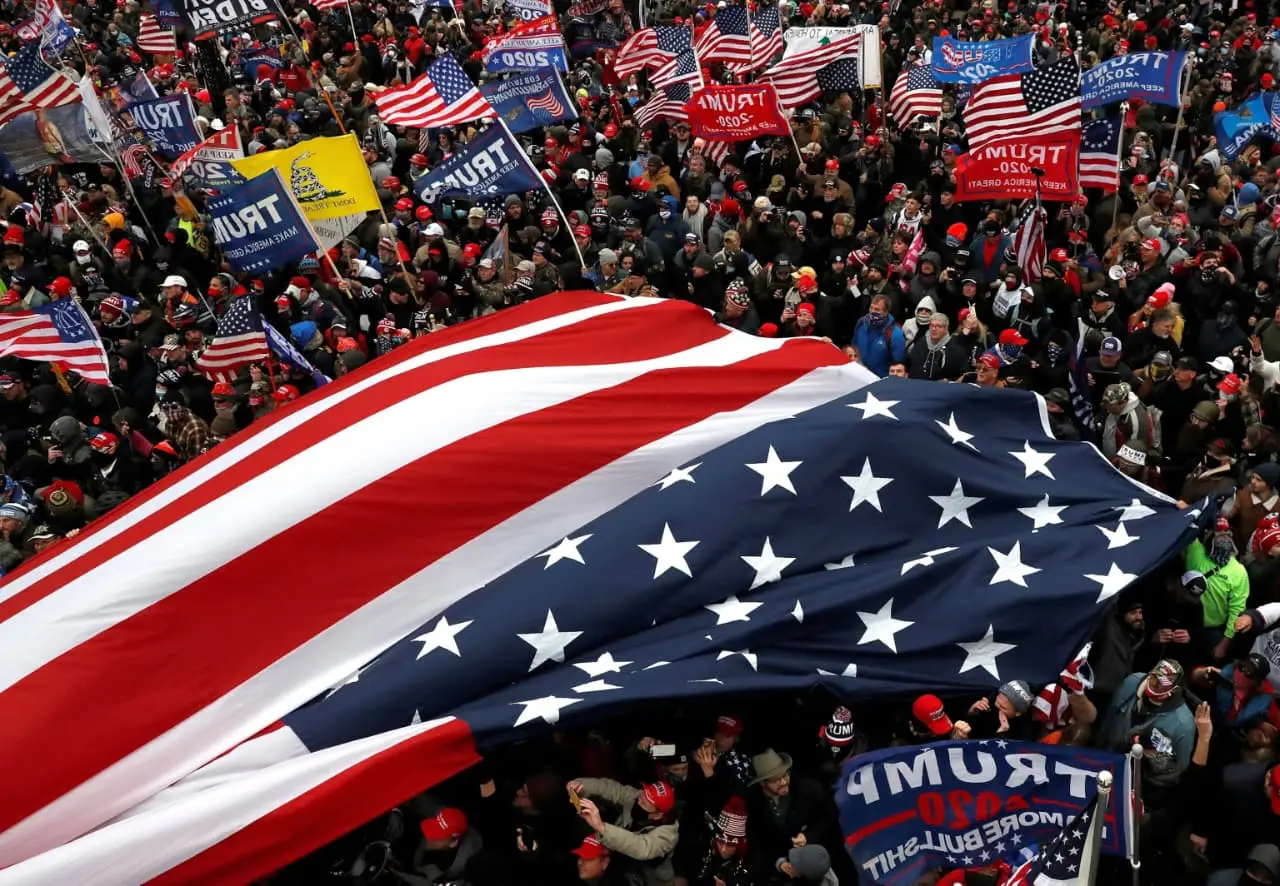
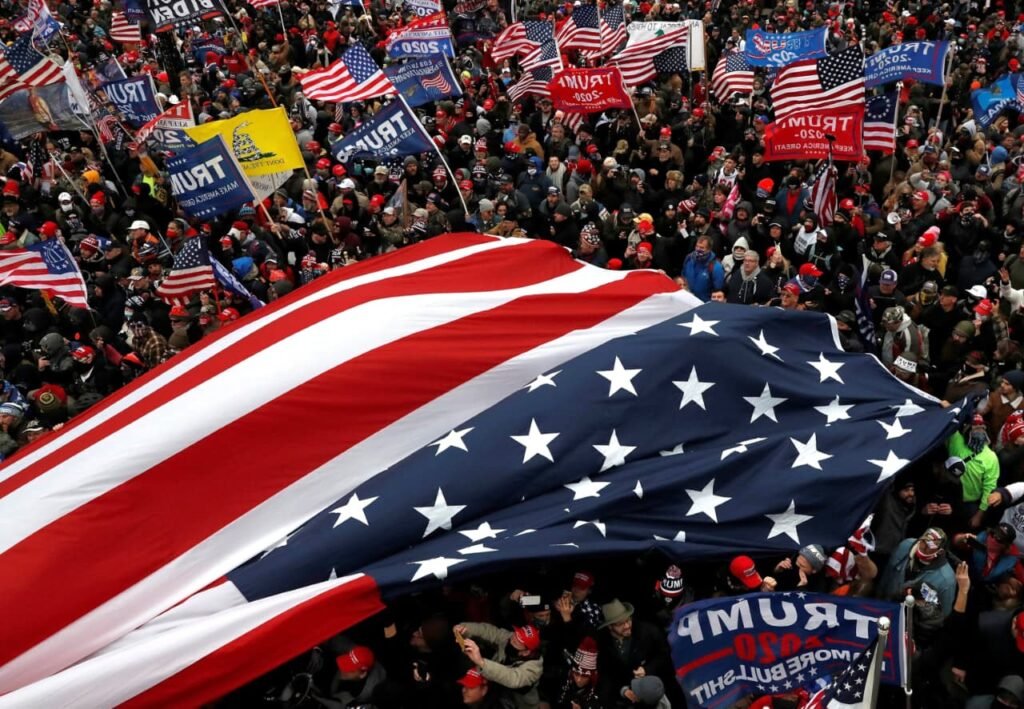
American power operates through overlapping networks of lobbies, corporate interests, and state institutions rather than a single unified authority. Media driven polarization has hardened cultural and class divisions, reshaping how citizens interpret national identity and global engagement. Both major parties increasingly converge on viewing China as the primary strategic challenger, even as they differ in tone and method. Competing perceptions of decline or resurgence reflect the observer’s position more than objective reality. Whether the United States adapts successfully will determine its role in a rapidly shifting global order.